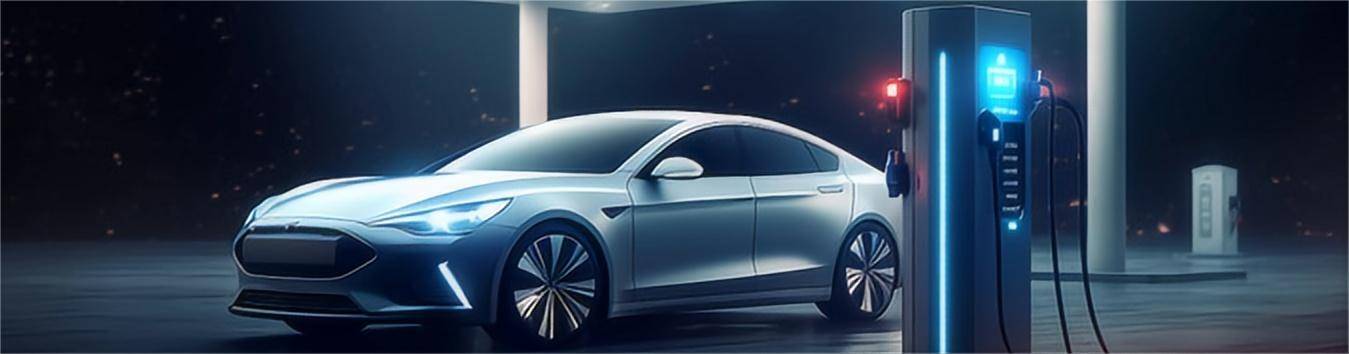
The global transition toward electric mobility is no longer a distant dream—it is happening right now on our streets. As more drivers swap internal combustion engines for electric motors, the conversation has shifted from "range anxiety" to "charging accessibility." Whether you are a homeowner looking for overnight convenience or a business owner aiming to support the green revolution, understanding the infrastructure is key.
The Ultimate Convenience: Home Charging For most EV owners, the primary charging hub is their own garage or driveway. Having a dedicated home electric charger transforms the way you power your vehicle. Instead of making detours to a station, you simply plug in when you arrive home and wake up to a "full tank."
Modern solutions, like the smart wall-mounted chargers provided by CNCARPILE, offer more than just power. With APP-controlled features, users can monitor their charging status in real-time, schedule sessions during off-peak electricity hours to save on costs, and ensure their battery is maintained at optimal health. It’s this seamless integration into daily life that makes home charging the backbone of the EV experience.
Powering the Public Path: The Role of Infrastructure While home charging covers daily commutes, the ability to travel long distances and support urban dwellers without private parking depends on robust public infrastructure. This is where the commercial charging station becomes indispensable.
For businesses—ranging from retail malls to office complexes—installing high-speed DC chargers is a strategic move. A well-placed commercial charging station not only attracts eco-conscious customers but also provides a necessary service for fleet logistics. High-power, multi-gun stations (such as those featured on cncarpile.com) allow multiple vehicles to fast-charge simultaneously, significantly reducing wait times and increasing the throughput of busy urban hubs.
A Holistic Ecosystem The true strength of the electric vehicle movement lies in the synergy between private and public solutions. A reliable home electric charger provides the foundation for individual freedom, while a network of commercial chargers ensures that the transition to green energy is scalable for entire cities.
As technology advances, we are seeing higher protection levels (like IP54/IP65 ratings) and smarter power distribution, making these devices safer and more efficient than ever before. Whether you are looking to upgrade your home setup or invest in a large-scale charging project, the right equipment is the bridge to a sustainable future.

 IPv6 network supported