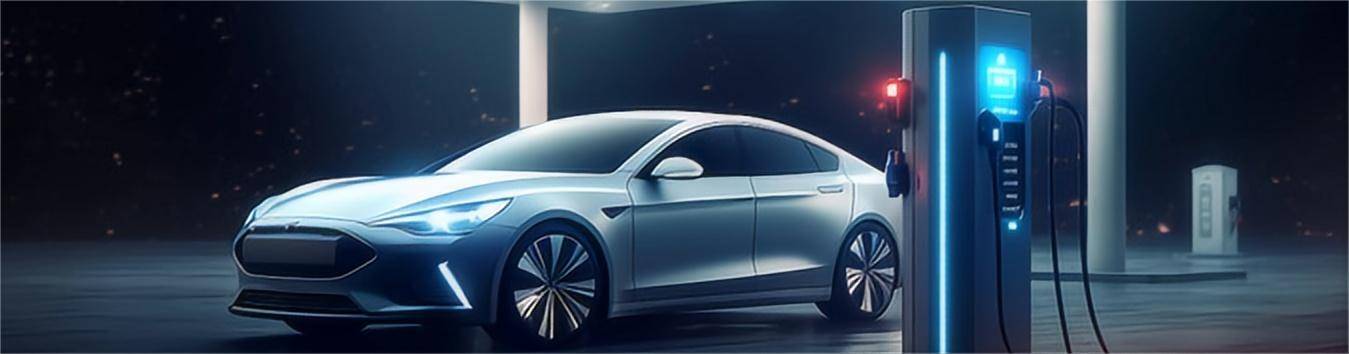
The Perfect Balance Between Speed and Convenience
Electric vehicle owners need charging solutions that are both practical and efficient for daily use. A Fast Level 2 Electric Vehicle Charger offers the ideal balance between charging speed and accessibility. Compared with basic Level 1 charging, Level 2 systems use a higher-voltage power supply and can fully charge many EVs in about 4–8 hours, making them perfect for overnight or workplace charging.
Ideal for Homes, Workplaces, and Commercial Spaces
One of the biggest advantages of AC EV Chargers is their flexibility in installation. They can be deployed in residential garages, office parking lots, shopping centers, and public parking areas. This makes them an essential part of everyday EV infrastructure, allowing drivers to conveniently charge their vehicles while working, shopping, or relaxing at home.
Faster Charging for Daily Driving Needs
Charging speed is a key factor for EV owners. Level 2 chargers typically add around 25–40 miles of driving range per hour of charging, which is significantly faster than traditional wall-outlet charging. This means drivers can replenish their daily mileage within a few hours and start each day with a fully charged vehicle.
A Cost-Effective Alternative to DC Fast Charging
While DC fast chargers deliver extremely rapid charging, they are expensive to install and maintain. In comparison, AC charging solutions provide a more cost-effective infrastructure option for many locations. For businesses, installing multiple AC EV Chargers allows them to support more vehicles without the heavy investment required for large DC charging stations.
Supporting the Growing EV Ecosystem
As electric vehicle adoption continues to accelerate worldwide, reliable charging infrastructure becomes increasingly important. Solutions like the Fast Level 2 Electric Vehicle Charger play a crucial role in expanding accessible charging networks. By offering efficient charging speeds, flexible installation, and scalable deployment, these chargers help support the transition toward cleaner transportation and smarter energy use.

 IPv6 network supported