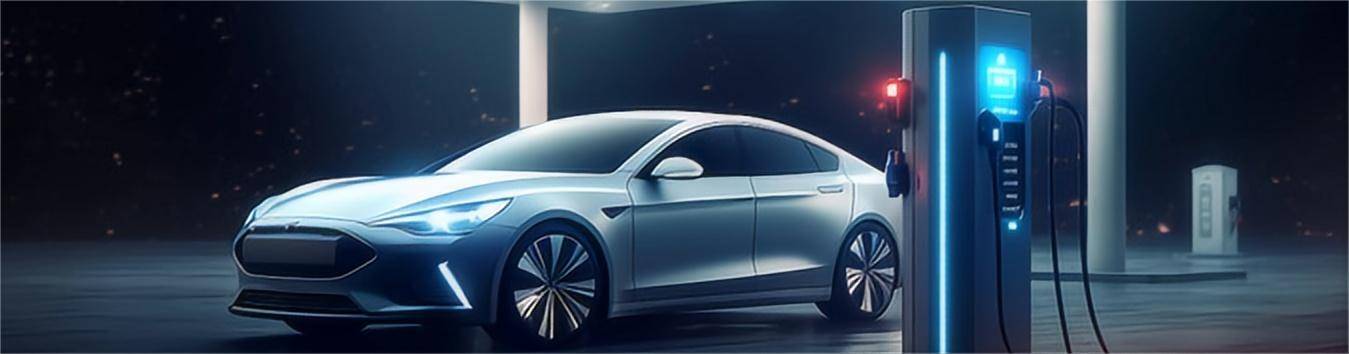
The global transition toward sustainable transportation is no longer a distant goal—it is a reality unfolding on our streets every day. As electric vehicle (EV) adoption reaches record highs, the conversation has shifted from the range of the cars themselves to the accessibility and speed of the infrastructure supporting them. For both individual drivers and commercial fleet operators, the quality of the charging experience is the primary factor in a seamless transition to green energy.
For most new owners, the journey begins at home with convenient AC charging solutions. These wall-mounted units provide a reliable way to top up a battery overnight, ensuring the vehicle is ready for the daily commute. However, as the market matures and battery capacities increase, there is a growing demand for more robust electric car charging stations in public and commercial spaces. Shopping centers, office complexes, and highway rest stops are now becoming the new "fueling stations" of the 21st century.
While Level 1 and Level 2 chargers are excellent for long-duration parking, the real game-changer for long-distance travel and heavy-duty logistics is the level 3 ev charger. Often referred to as DC Fast Charging, these high-powered systems bypass the vehicle's onboard converter to deliver electricity directly to the battery. This allows drivers to gain hundreds of miles of range in less time than it takes to enjoy a cup of coffee, effectively eliminating "range anxiety" for those on the move.
Building a dependable network of electric car charging stations requires more than just high-speed hardware; it demands intelligent integration. Modern charging points are now equipped with smart APP controls and dynamic power distribution. This technology allows operators to monitor usage in real-time, schedule charging during off-peak hours to save costs, and ensure that multiple vehicles can charge simultaneously without overloading the local grid.
The versatility of the level 3 ev charger also opens new doors for business owners. By installing rapid charging hubs, commercial entities can attract a growing demographic of EV drivers, creating a new stream of foot traffic and potential revenue. Whether it’s a floor-standing unit for a parking lot or a multi-gun station for a logistics center, providing high-speed energy access is a powerful way to demonstrate a commitment to innovation and sustainability.
Durability and safety remain at the core of this technological evolution. High-quality charging equipment must be designed to withstand diverse environmental conditions, from scorching summer heat to freezing winter storms. Industrial-grade protection, such as IP54 ratings and advanced flame-retardant materials, ensures that these stations remain operational and safe for public use 24/7, regardless of the location.
The future of mobility depends on our ability to build a faster, smarter, and more resilient charging ecosystem. By investing in a mix of reliable home units and ultra-fast public chargers, we are not just powering cars—we are powering the transition to a cleaner planet. The infrastructure we build today will be the backbone of the transportation industry for decades to come.

 IPv6 network supported